Why Is Asset Management Critical for Waterfront Mansions, Pavilions, and Historic Residences in the Bosphorus Fore-View Zone?
Real estate properties located within the Bosphorus Fore-view Zone are subject to the Bosphorus Law and require the approval of relevant authorities for many types of transactions.
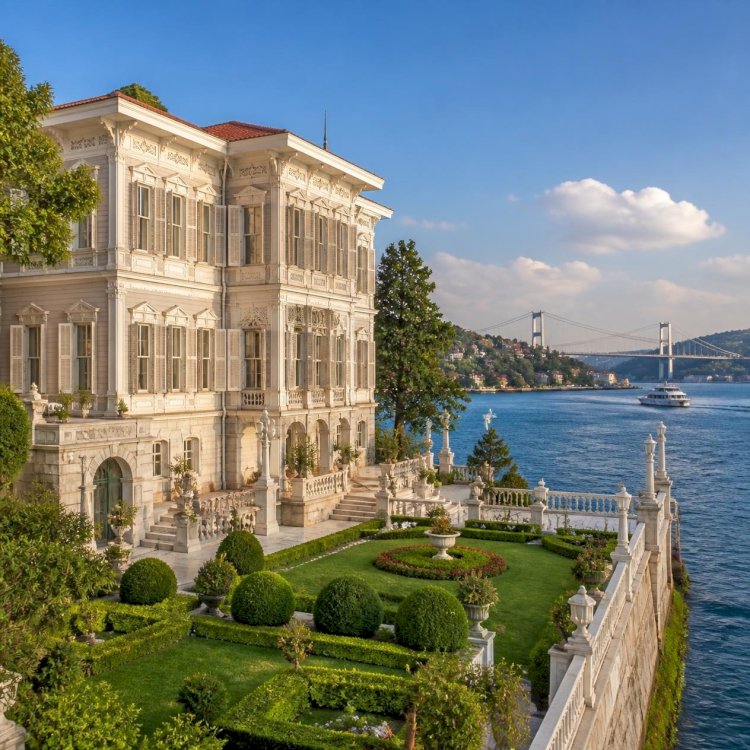
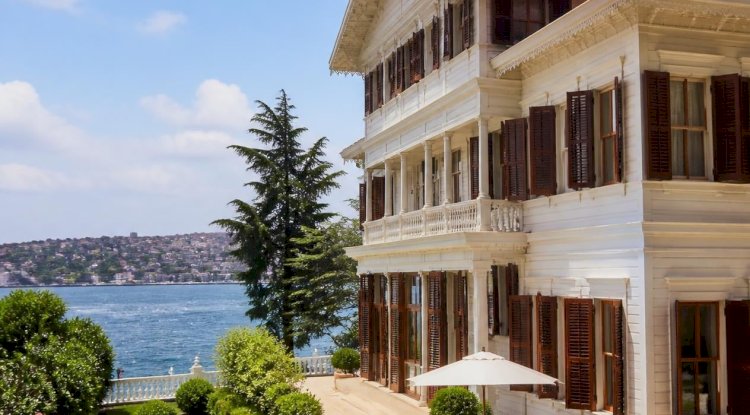
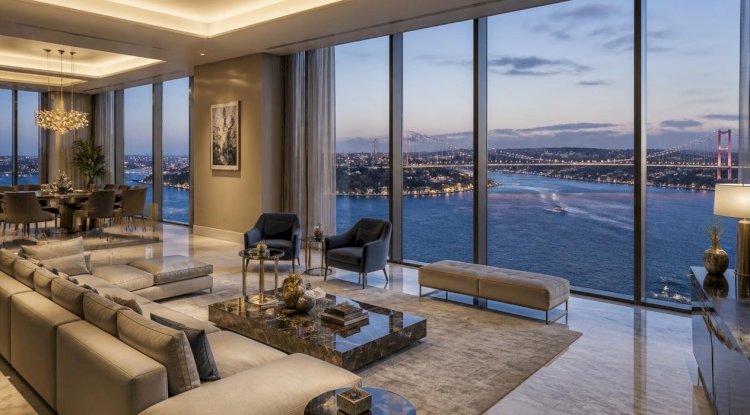
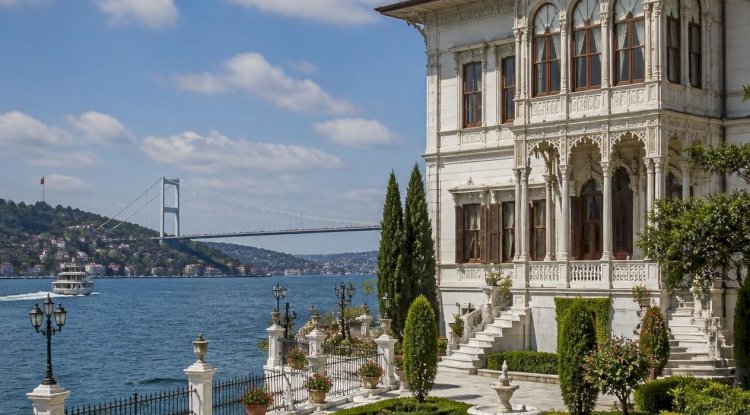
Waterfront mansions (*yalı*), historic villas (*köşk*), grand residences (*konak*), waterfront apartments, and prestigious homes along the Bosphorus are considered among the world's most exclusive and valuable real estate assets. However, unlike standard residential or commercial real estate investments, investing in property along the Bosphorus is a process that requires specialized knowledge and adherence to specific regulations.
Properties located within the Bosphorus "Fore-view" Zone (*Öngörünüm Bölgesi*) are subject to the Bosphorus Law, meaning that many transactions require approval from relevant authorities. Consequently, investment decisions must take into account not only local municipal regulations but also Bosphorus-specific legislation and the associated permitting processes.
Demolition and reconstruction are not permitted for many of the waterfront mansions, historic villas, grand residences, detached houses, and certain apartment buildings along the Bosphorus. Conversely, maintenance, restoration, renovation, structural reinforcement, and renewal works may be carried out under specific conditions, with all such activities subject to official approval processes.
Renovation and restoration projects within the Bosphorus Fore-view Zone require comprehensive planning due to factors such as architectural project approvals, technical reports, expert consultancy services, and implementation costs. Therefore, collaborating with experienced architects, engineers, legal advisors, and regional specialists is crucial when investing in these waterfront mansions, historic villas, or grand residences.
Before making an investment decision, one must comprehensively evaluate the property's current technical status, structural condition, compliance with Bosphorus regulations, history of modifications, necessary permitting processes, and potential renovation costs. Such analyses provide a more accurate picture of the investment's true cost, timeline, and potential for value appreciation.
Due to the complex permitting processes and operational risks associated with the Bosphorus corridor, many investors prefer properties that are move-in ready, technically sound, and free of regulatory issues. Driven by limited supply, properties of this caliber—such as waterfront mansions (*yalı*), historic villas, and grand residences often command significant price premiums.
Conversely, the success of investments in Bosphorus properties requiring renovation depends directly on cost management, scheduling, and the ability to ensure regulatory compliance. While well-managed projects offer significant potential for value appreciation, poorly planned processes can entail serious risks regarding time and costs.
Given the high asset values and the complexity of the regulatory framework, investing in real estate along the Bosphorus is not a standard property transaction but a strategic asset management process requiring specialized expertise. Therefore, it is critical to integrate technical, legal, and financial analyses when investing in waterfront mansions, historic villas, grand residences, and other prestigious properties in the region.
What's Your Reaction?